
low iron glazing
Plain v. Block A Comparative Study In the dynamic world of design, architecture, and aesthetics, the terms plain and block can evoke contrasting images and feelings. While both concepts invoke a sense of structure, they imply varying methodologies and philosophies behind art, architecture, and even lifestyle choices. This article aims to delve into the differences between plain and block structures, their implications in design, and how they resonate in our daily lives. Understanding 'Plain' The term plain refers to simplicity, clarity, and minimalism. In architectural and design terms, a plain structure is often characterized by smooth lines, a lack of intricate detailing, and a focus on functionality over embellishment. The beauty of plain design lies in its ability to communicate elegance without excess, allowing the essence of the materials and the space itself to shine through. Plain design can be found in various styles, such as minimalist architecture, which emphasizes open spaces, natural light, and a subdued color palette. This design philosophy mirrors a contemporary lifestyle—a retreat from the chaos and clutter that often defines modern living. Rooms adorned with plain furnishings and decor can create a serene atmosphere, promoting a sense of peace and tranquility. Moreover, in the realm of graphic design, a plain layout can enhance readability and user experience. Websites and apps that prioritize plain aesthetics often achieve higher engagement rates, as users find them intuitive and easy to navigate. The cleanliness of plain design helps eliminate distractions, allowing the viewer to focus on the content itself. Exploring 'Block' In contrast, the concept of block embodies structure, solidity, and often, an element of boldness. Block design can refer to the use of large, geometric forms that suggest strength and stability. Think of the robust nature of a block building, which utilizes concrete and steel to create an imposing presence. This approach is frequently applied in urban architecture where durability is essential, and aesthetics are secondary to function. plain v block In design, block can also refer to specific patterns, such as a checkerboard or mosaic, which provide an eye-catching visual appeal. Block patterns can convey a sense of dynamism and rhythm, drawing the viewer's eye and eliciting emotional responses. This juxtaposition of colors and shapes often serves as a form of artistic expression, challenging the norms set by the plain aesthetic. Block design is prevalent in various forms of art, from abstract paintings to modern sculpture, where the principles of geometry and symmetry take center stage. The use of bold colors and stark contrasts can create powerful visual statements, capturing attention and invoking deeper conversations about form, space, and meaning. The Intersection of Plain and Block While plain and block seem to occupy opposing ends of the design spectrum, they often intersect to create a harmonious balance in various projects. For instance, modern homes often incorporate both plain and block elements—a sleek, minimalist façade complemented by bold, blocky features such as cantilevered balconies or geometric garden designs. Moreover, in graphic design, a block layout might use plain typography for readability, striking the right balance between visual intrigue and clear communication. This interplay ensures that while a design may be visually striking, it remains functional and user-friendly. Conclusion The dialogue between plain and block exemplifies the diversity of expression in design and architecture. Each has its strengths and weaknesses, conveying different messages and catering to different needs. While plain design offers simplicity and a retreat from chaos, block design provides structure and a call to attention. Understanding these two contrasting concepts allows designers, architects, and even individuals to make informed choices that enhance the aesthetics of their space and resonate with their personal styles. Ultimately, whether one prefers the calm of plain or the boldness of block, both can coexist and complement one another, creating environments that are both beautiful and functional.
about
low iron glazing
Types of Ball Valves in Plumbing Ball valves are crucial components in plumbing systems, widely recognized for their durability and reliability in controlling the flow of water and other fluids. With various types of ball valves available, understanding their distinctions, advantages, and applications can aid in selecting the right valve for specific plumbing needs. What is a Ball Valve? A ball valve is a quarter-turn valve that utilizes a spherical disk, known as a ball, to stop or allow the flow of fluids. The ball has a hole through the center, which aligns with the pipe when the valve is open and blocks the flow when closed. This design makes ball valves ideal for on/off control, offering tight sealing properties and minimal resistance to flow. Types of Ball Valves 1. Full Port Ball Valve Full port ball valves feature a ball that has a hole equal to the pipe's diameter. This design minimizes pressure drops and allows for maximum flow rates. They are ideal for applications requiring minimal flow restriction, such as in water supply lines or industrial processes. 2. Reduced Port Ball Valve Unlike full port valves, reduced port ball valves have a smaller ball opening, resulting in a diameter less than that of the pipe. This design can restrict flow and cause a pressure drop, making them suitable for applications where flow rates are less critical. They are often used in residential plumbing systems for water supply and drainage. 3. Trunnion Ball Valve Trunnion ball valves have a unique design that includes a fixed trunnion to support the ball, allowing for larger sizes and higher pressure applications. These valves are particularly useful in oil and gas industries, as they can handle high-pressure and high-temperature environments without leaking. 4. Floating Ball Valve In floating ball valves, the ball is not fixed; instead, it sits on a seat and is allowed to float. As the valve closes, the ball is pushed against the seat, creating a tight seal. This type of valve works well in low-pressure applications and is commonly used in water and wastewater treatment systems. types of ball valves in plumbing 5. Electric Ball Valve Electric ball valves use an electric actuator to open and close the valve automatically. This type of valve is ideal for automated systems where precise control and remote operation are necessary. Common applications include HVAC systems and process control industries. 6. Manual Ball Valve Manual ball valves are operated by a lever or handle. They are easy to use and commonly found in residential plumbing applications, such as connecting or isolating water supply lines . When choosing a manual ball valve, consideration of space and ease of access is essential. 7. PVC Ball Valve PVC (polyvinyl chloride) ball valves are lightweight, corrosion-resistant, and non-toxic, making them ideal for residential and commercial plumbing applications involving potable water or chemicals. They are available in various sizes and configurations, and their ease of installation adds to their popularity. 8. Stainless Steel Ball Valve Known for their durability and resistance to corrosion and high temperatures, stainless steel ball valves are commonly used in industrial applications and systems that deal with corrosive materials. They offer excellent longevity and performance under demanding conditions. Choosing the Right Ball Valve When selecting a ball valve for plumbing applications, several factors should be considered, including the type of fluid, pressure and temperature requirements, and the valve's intended use. For instance, a full port ball valve is preferable for applications demanding maximum flow, whereas a reduced port ball valve may suffice for simpler residential uses. Additionally, understanding the environment in which the valve will operate is essential. For instance, if there is a risk of corrosion, stainless steel or PVC valves would be more appropriate than standard brass ones. Conclusion Understanding the different types of ball valves and their specific applications is vital for anyone involved in plumbing. Proper selection can ensure efficient flow control, minimize risks of leaks, and enhance the overall performance of plumbing systems. As technology evolves, the efficiency and reliability of ball valves will only improve, making them indispensable components in fluid control systems.
-

High quality industrial productsagement

High quality industrial products
View Details -

Meet the diverse needs of customers

Meet the diverse needs of customers
View Details -

Strict quality control

Strict quality control
View Details -

Top raw materials

Top raw materials
View Details -

Trusted supplier

Trusted supplier
View Details
Our application


news and information
Valve Types
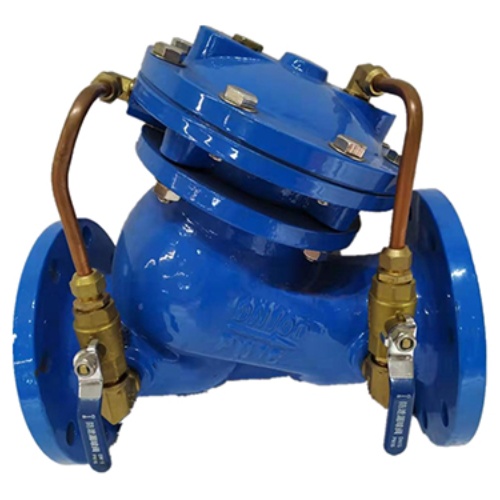
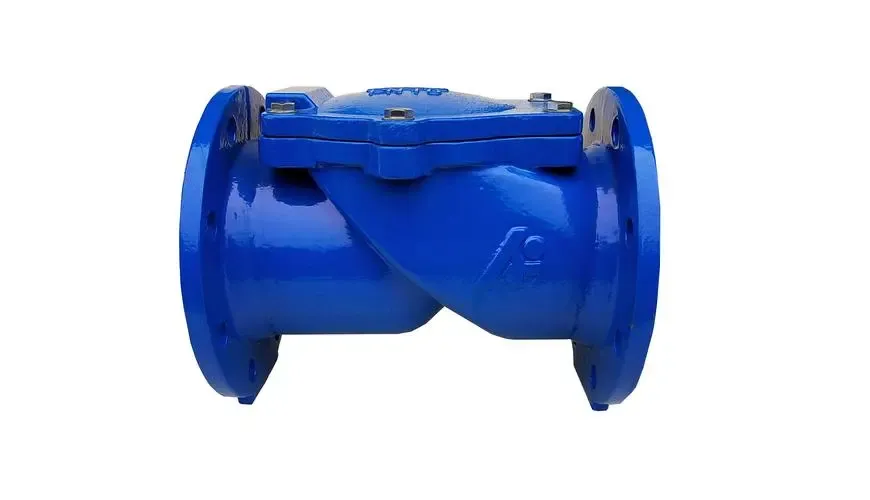
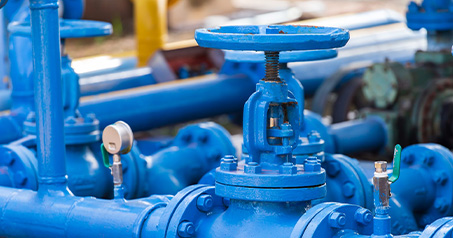
Valve types are the unsung heroes in the world of engineering and manufacturing, playing pivotal rol
Welding Table Cast Iron Surface Finish Guide
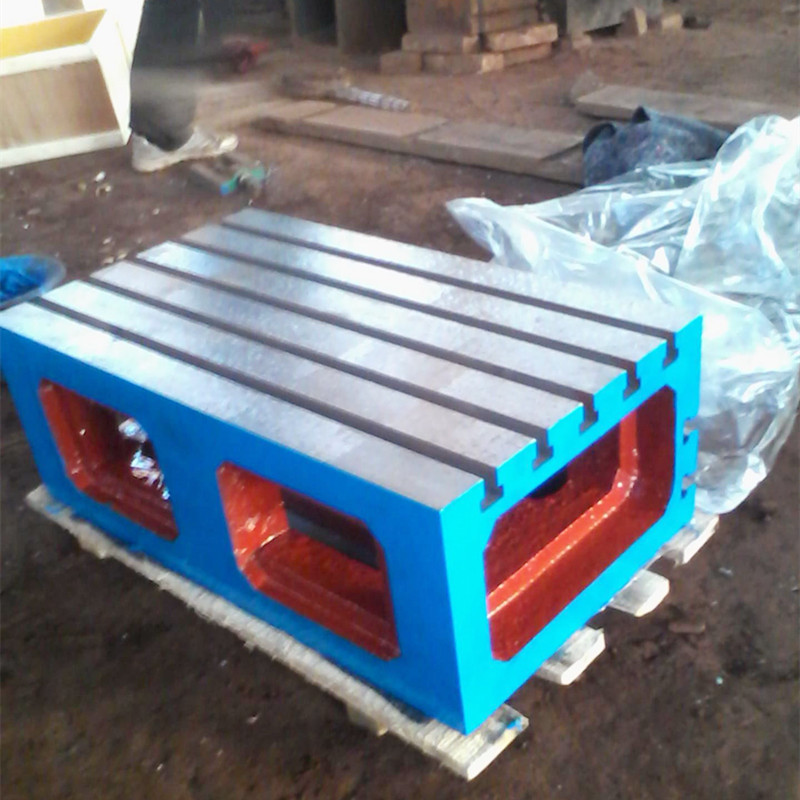
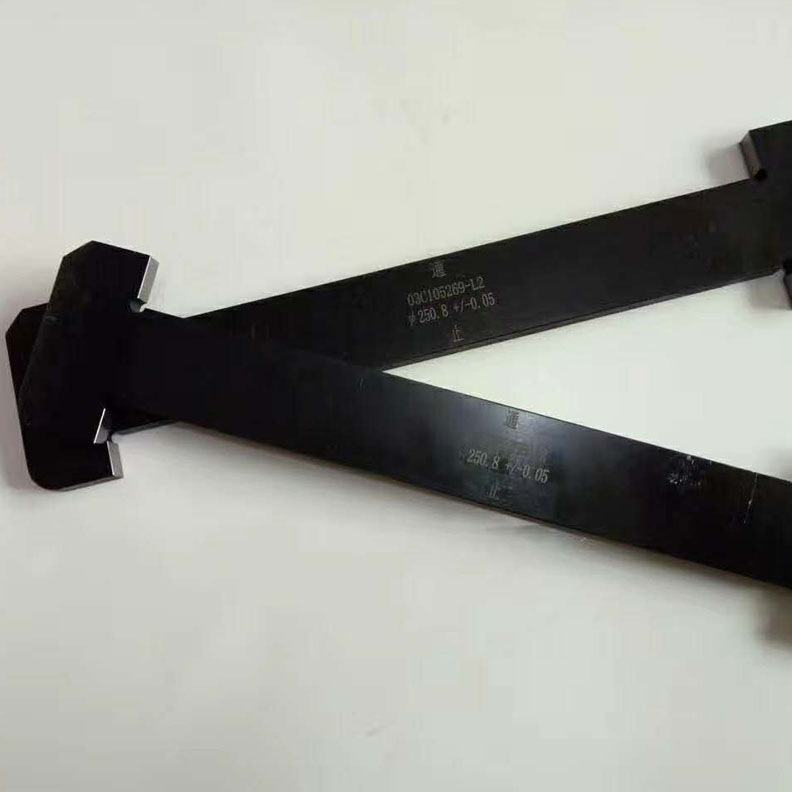
As a wholesaler in the welding equipment industry, understanding the intricacies of welding table ca
Valve Wholesale - High-Quality Valve Supply for All Industrial Needs
Understanding Valve Wholesale An Essential Component in Industrial Supply Chains In the realm of ind
 English